How Much Does a Home Renovation Cost in Ohio?
Planning a home renovation in Ohio? Whether you own a bungalow in Columbus or a newer build near Cleveland, understanding local remodeling costs is the first step to a realistic budget. Ohio, the Buckeye State, sits in the Midwest labor market, which carries roughly a 1.00x cost multiplier against the national baseline — meaning identical projects here typically run about 0% lower than in an average Midwest metro.
Below you'll find real cost ranges for every major project type in Ohio, a city-by-city breakdown, and the local climate, soil, permit and seasonal factors that quietly move your budget — plus practical guidance on financing, hiring a contractor and saving money on your Ohio remodel.
Key Takeaways for Ohio Homeowners
- Ohio falls in the Midwest cost region at a 1.00x multiplier — roughly 0% lower than an average Midwest metro.
- A combined kitchen, two bathrooms, roof and interior-paint refresh for a typical home runs about $47,000 to $160,400 using this state's labor rate.
- The best window to renovate is spring through fall., and a 5.75% statewide sales tax on building materials — both quietly move your final price.
Average Renovation Costs in Ohio (2026)
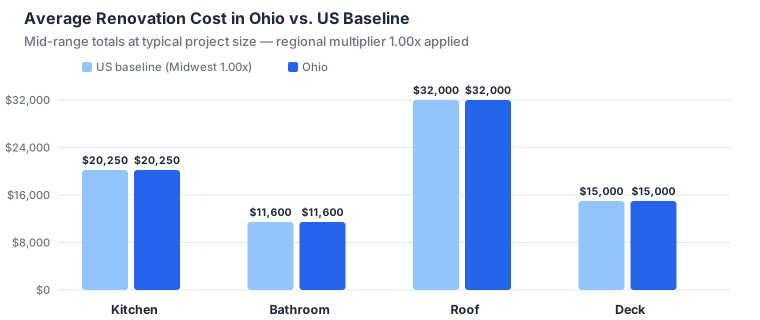
The figures below apply Ohio's Midwest regional multiplier (1.00x) to national base rates for common projects at typical sizes. Budget covers basic materials and cosmetic scope; high-end reflects premium finishes and full gut rebuilds with new systems.
| Project | Budget | Mid-Range | High-End |
|---|---|---|---|
| Kitchen Remodel | $9,800 | $21,400 | $33,000 |
| Bathroom Remodel | $5,600 | $12,400 | $19,200 |
| Master Bath | $10,100 | $22,300 | $34,600 |
| Roof Replacement | $18,000 | $41,000 | $64,000 |
| Deck Build | $8,400 | $17,000 | $25,500 |
| Whole House Refresh | $45,000 | $105,000 | $165,000 |
| Basement Finishing | $32,000 | $68,000 | $104,000 |
| Interior Painting | $3,600 | $6,600 | $9,600 |
These ranges are starting points. Your actual Ohio cost depends on the size of the space, the material grade you choose, how much you change the existing layout, and whether hidden repairs surface once demolition begins. Use the calculator on this page to model your exact project.
Worked Example: A Typical Ohio Whole-Home Refresh
To make the numbers concrete, here is how a realistic refresh for a typical Ohio home adds up at the state's 1.00x rate — a kitchen, both bathrooms, a roof and whole-home paint. Swap any single project for your own square footage in the calculator above to re-price it.
| Typical Project Bundle | Budget | High-End |
|---|---|---|
| Kitchen remodel (150 sq ft) | $9,800 | $33,000 |
| Primary bathroom (120 sq ft) | $10,100 | $34,600 |
| Guest bathroom (80 sq ft) | $5,600 | $19,200 |
| Roof replacement (2,000 sq ft) | $18,000 | $64,000 |
| Interior painting (1,200 sq ft) | $3,600 | $9,600 |
| Combined typical whole-home refresh | $47,000 | $160,400 |
Cost Breakdown by Project Type in Ohio
Each renovation type carries its own cost drivers. Here's what to expect for the most common Ohio projects:
Kitchen Remodel in Ohio
A typical kitchen remodel in Ohio runs roughly $9,800 to $33,000 depending on size, finish grade and scope. Kitchens are the most-renovated room in Ohio and the strongest resale driver; keeping the existing plumbing layout is the single biggest way to control cost here.
Bathroom Remodel in Ohio
A typical bathroom remodel in Ohio runs roughly $5,600 to $19,200 depending on size, finish grade and scope. Bathrooms pack plumbing, tile and waterproofing into a small footprint, so Ohio labor rates weigh heavily on the final price.
Master Bath in Ohio
A typical master bath in Ohio runs roughly $10,100 to $34,600 depending on size, finish grade and scope. Primary-bath suites with dual vanities and walk-in showers are popular upgrades in Ohio move-up homes.
Roof Replacement in Ohio
A typical roof replacement in Ohio runs roughly $18,000 to $64,000 depending on size, finish grade and scope. Given Ohio's climate, roofing material choice affects both upfront cost and long-term durability more than almost any other project.
Deck Build in Ohio
A typical deck build in Ohio runs roughly $8,400 to $25,500 depending on size, finish grade and scope. Outdoor living space is in demand across Ohio; composite decking costs more upfront but avoids the ongoing maintenance wood requires.
Whole House Refresh in Ohio
A typical whole house refresh in Ohio runs roughly $45,000 to $165,000 depending on size, finish grade and scope. Full renovations let Ohio owners reposition a dated home to compete with new construction in one coordinated project.
Basement Finishing in Ohio
A typical basement finishing in Ohio runs roughly $32,000 to $104,000 depending on size, finish grade and scope. Finished basements add low-cost living area, though Ohio moisture and code requirements make waterproofing and egress non-negotiable.
Interior Painting in Ohio
A typical interior painting in Ohio runs roughly $3,600 to $9,600 depending on size, finish grade and scope. Fresh paint is the highest-ROI cosmetic update for Ohio homes and the easiest way to make a space feel new.
What Affects Renovation Costs in Ohio?
Local conditions do more than you might expect to set a renovation budget in Ohio. The state's cold winters, humid summers and freeze-thaw cycles that stress roofs, driveways and older brick homes. These requirements are not upsells — skipping them in Ohio usually means faster wear, failed inspections or higher insurance. Geologically, clay soils and high water tables that make basement waterproofing common. A qualified local contractor prices these regional realities into every bid, which is one reason quotes from out-of-state estimators are often unreliable here.
Renovation Costs by City in Ohio
Costs are never uniform across Ohio. Dense, high-wage metros carry a premium, while smaller cities and rural counties come in below the state average. The table below shows how a typical 150 sq ft kitchen remodel shifts across major Ohio markets — a useful reality check before you accept any single quote.
| City | Local Multiplier | Typical Kitchen Remodel | Vs. State Avg |
|---|---|---|---|
| Columbus | 1.04x | $22,200 | about 4% above the Ohio average |
| Cleveland | 1.00x | $21,400 | right at the Ohio average |
| Cincinnati | 1.02x | $21,800 | about 2% above the Ohio average |
| Dublin | 1.10x | $23,500 | about 10% above the Ohio average |
These local multipliers stack on top of the statewide Midwest rate, which is why an identical remodel can vary by tens of thousands of dollars between Ohio's priciest metro and its most affordable county. Always benchmark quotes against your specific city, not the state or national average.
Permits, Sales Tax & Regulations in Ohio
Most Ohio municipalities require permits for structural, electrical, plumbing and mechanical work, and many now require them for reroofing as well. Permit fees typically run about 2-5% of the project's construction value, and inspections are scheduled at framing, rough-in and final stages. Ohio applies a 5.75% statewide sales tax to building materials (local jurisdictions may add more). Because materials commonly run 40-50% of a remodel, that tax alone can add hundreds to thousands of dollars — a $20,000 material order carries roughly $1,200 in state sales tax before any local add-ons. Pulling permits protects resale value: unpermitted work in Ohio frequently surfaces during home inspections and can stall a sale or force costly retroactive approval.
Housing Stock & Building Requirements in Ohio
Ohio's housing reflects its history and climate. Ohio blends early-1900s brick homes, bungalows, and suburban ranches, with basements common. On the regulatory side, Ohio adopts the IRC with local amendments; basement waterproofing and older-masonry repointing are routine code items. Understanding both the typical building type and the local code landscape helps you scope work realistically and avoid surprises at the permit desk.
Best Time to Renovate in Ohio
Timing your project well can save real money in Ohio. The strongest window here is spring through fall. Booking in the shoulder season — just before or after peak demand — often earns better contractor pricing and availability, because crews fill their calendars during the busy stretch and discount to stay working in the slow months. For weather-sensitive work like roofing, siding, decks and exterior painting, aligning with Columbus's milder stretches also reduces the risk of weather delays that inflate labor costs.
Financing a Renovation in Ohio
Most Ohio homeowners fund larger renovations with home equity. A home equity line of credit (HELOC) offers draw-as-you-go flexibility that suits phased or open-ended projects, while a fixed-rate home equity loan gives predictable payments for a project with a known cost. A cash-out refinance can fold the cost into your mortgage when the rate math works, and unsecured personal loans serve smaller jobs without putting your Ohio home on the line. Whatever you choose, borrow only what the project needs and compare the total interest cost, not just the monthly payment.
Common Renovation Mistakes to Avoid in Ohio
- Skipping permits. Unpermitted work in Ohio routinely surfaces at resale and can stall a sale or force costly retroactive approval.
- Ignoring the climate. Ohio's conditions demand specific materials and detailing; cutting these corners leads to premature failure and failed inspections.
- Accepting one bid. Ohio contractor pricing varies widely — a single quote gives you no benchmark.
- No contingency. Older Ohio homes hide surprises behind the walls; a 10-20% reserve keeps the project moving when they appear.
- Over-improving for the block. Renovate toward your Columbus-area neighborhood ceiling, not far beyond it, or you won't recover the spend.
How to Find and Hire a Contractor in Ohio
Start with referrals from Ohio neighbors who have completed similar work, then verify each candidate holds a current Ohio contractor license and carries both liability and workers' compensation insurance. Ask for a certificate of insurance directly from the insurer, collect at least three itemized written bids for identical scope, and call recent references. A trustworthy Ohio contractor pulls the required permits, welcomes inspections and provides a detailed contract covering scope, materials, schedule, payments and warranty. Never pay in full upfront — tie payments to milestones and hold the final installment until the work passes inspection.
How to Save on Your Ohio Renovation
- Get three local bids. Ohio labor rates vary widely between contractors; three written quotes typically reveal a 20-30% spread for identical scopes.
- Keep the existing layout. Moving plumbing and gas lines is one of the costliest changes anywhere, and doubly so in Midwest labor markets.
- Mix material grades. Splurge on the surfaces you touch daily and save with mid-range choices elsewhere to control the 1.00x regional premium.
- Time it for the shoulder season. Scheduling in Ohio's slower months can shave labor costs meaningfully.
- Bundle projects. Combining, say, a kitchen and adjacent flooring job spreads mobilization and permit costs across more work.
Pre-Renovation Checklist for Ohio Homeowners
Before you request a single quote, work through these Ohio-specific steps. They are the difference between a smooth project and one that stalls, overruns or fails inspection:
- Confirm permits first. Contact your Columbus-area building department before demolition — structural, electrical, plumbing and reroofing work all typically require one in Ohio, and unpermitted jobs stall resales.
- Time exterior work. Schedule roofing, decks and exterior painting for spring through fall. to dodge weather delays and the labor premiums that come with peak-season demand.
- Get three written bids. Ohio contractor pricing commonly varies 20-30% for identical scope, so a single quote leaves you with no benchmark.
- Plan for the climate. Ohio conditions include cold winters, humid summers and freeze-thaw cycles that stress roofs, driveways and older brick homes. Build these realities into your material choices so the work passes inspection and lasts.
- Hold a contingency. Set aside 10-20% for surprises behind older Ohio walls — outdated wiring, hidden water damage or code-triggered upgrades.
- Mind the tax. Add the 5.75% statewide sales tax to your material budget before you sign.
Renovation ROI & Resale Value in Ohio
Renovations in Ohio do more than improve daily living — the right projects return a large share of their cost at resale. Nationally, minor kitchen remodels and garage-door or entry-door replacements recover the highest percentage of cost, while high-end additions recover the least. In fast-appreciating Ohio markets like Columbus, well-executed kitchen and bathroom updates that match neighborhood expectations tend to appraise strongly. Use the calculator below to model your own project, then compare the estimate against the local resale value it is likely to add.
Ohio's Local Renovation Market
Ohio sits in an affordable market with a large stock of early-1900s homes. That context shapes both what homeowners renovate and how much they budget: in markets where remodeling competes favorably against new construction, owners invest in updating rather than rebuilding, and contractor calendars and financing options follow that demand.
What Ohio Homeowners Renovate Most
Across Ohio, the projects that come up most often in renovation plans are basements, kitchens and roof replacement A kitchen update is the perennial favorite because it drives daily life and resale most directly, while Columbus-area homeowners also weigh roof and exterior work against local weather and insurance expectations. If you are planning one of these, open its calculator above and pair it with this state guide to localize the national baseline.
Frequently Asked Questions About Renovating in Ohio
How much does a home renovation cost in Ohio?
It depends on the project, but Ohio sits in the Midwest cost region at a 1.00x multiplier, roughly 0% lower than the national Midwest baseline. A typical kitchen remodel runs about $21,400, while a whole-house renovation ranges from about $45,000 to $165,000 depending on scope and finish level. Use the calculator on this page for a figure tailored to your square footage and materials.
Why are renovation costs lower in Ohio?
Local labor rates are the main driver. As part of the Midwest market, Ohio carries a 1.00x labor multiplier against the national average, and the state's climate, soil and permitting requirements add specific material and detailing costs that a qualified local contractor prices into every bid.
Do I need a permit to renovate in Ohio?
Most Ohio municipalities require permits for structural, electrical, plumbing and mechanical work, and many now require them for reroofing. Fees typically run 2-5% of the construction value, with inspections at framing, rough-in and final stages. Cosmetic-only work like paint usually does not need one — but unpermitted structural work frequently stalls a future sale.
Does Ohio charge sales tax on renovation materials?
Yes. Ohio applies a 5.75% statewide sales tax to building materials, and local jurisdictions may add more. Because materials commonly run 40-50% of a remodel, a $20,000 material order carries roughly $1,200 in state tax before local add-ons.
What is the best time of year to renovate in Ohio?
The strongest window in Ohio is spring through fall. Booking in the shoulder season — just before or after peak demand — usually earns better contractor pricing and availability, and it lowers the risk of weather delays on exterior work like roofing, siding and decks.
Which Ohio city is most expensive to renovate in?
Among major Ohio markets, Dublin tends to run the highest at roughly 1.10x the state rate, while Cleveland is typically the most affordable at about 1.00x. Always benchmark contractor quotes against your specific city rather than the state or national average.