Last updated:
Bathroom Remodel Cost Charts
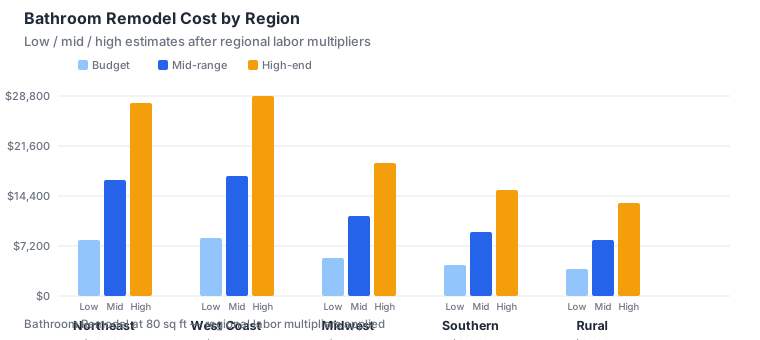
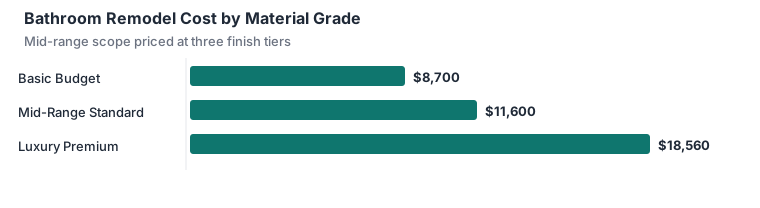
Both charts are rendered from the same price engine behind our bathroom remodel calculator.
Bathroom Remodel Cost Guide — 2026 US Price Breakdown
Average Bathroom Remodel Costs by Scope
Bathroom remodel costs in the US average $70 per sq ft for basic cosmetic updates, $145 per sq ft for mid-range standard remodels, and $240 per sq ft for complete gut remodels. Master bathrooms with dual vanities and walk-in showers add an extra 20% to baseline pricing.
- Basic Cosmetic Update: $70–$100/sq ft — new vanity, paint, lighting, fixtures
- Standard Remodel: $145–$180/sq ft — new tile, toilet, shower/tub, vanity
- Full Gut Remodel: $190–$240/sq ft — move plumbing, structural changes, luxury finishes
Master Bath vs. Guest Bath
Master bathrooms are typically larger (80–150 sq ft) and include premium features like dual vanities, walk-in showers, and separate tubs. Guest bathrooms are smaller (35–60 sq ft) and cost significantly less per project, though the per-sq-ft rate is similar.
As a rule of thumb: multiply the base bathroom rate by 1.2× for a master bath.
Material Choices & Cost Impact
- Ceramic/porcelain tile: $3–$8/sq ft installed (most popular choice)
- Luxury vinyl tile (LVT): $2–$5/sq ft installed (waterproof, budget-friendly)
- Natural stone tile: $8–$20/sq ft installed (premium look, high maintenance)
- Prefab shower pan: $600–$1,200 installed (saves vs. custom tile pan)
- Frameless glass enclosure: $1,000–$2,500 installed (makes small baths feel larger)
Hidden Bathroom Remodel Costs
- Water damage/mold remediation: $500–$3,000 if discovered during demolition
- Permit fees: $200–$800 depending on scope and city
- Plumbing rough-in relocation: $1,000–$3,000 per fixture
- Electrical upgrade (GFCI outlets, vent fan): $300–$800
- Waste/disposal fees: $400–$800
Bathroom Remodel ROI
Mid-range bathroom remodels recover approximately 65% of cost at resale. Small cosmetic updates can recover 70–80%, while luxury bathroom remodels recover only 50–60%.
Best ROI strategy: reglaze an existing tub ($300–$600) instead of replacing it ($1,500–$3,000), and use luxury vinyl tile instead of natural stone.
Timeline
- Basic cosmetic update: 2–5 days
- Standard remodel: 2–3 weeks
- Full gut remodel: 3–5 weeks plus permits
Where to Save vs. Splurge
- SAVE: Reglaze tub instead of replacing (saves ~$2,000)
- SAVE: Use LVT instead of natural stone (saves ~$3,000 on 60 sq ft)
- SAVE: Keep vanity in place; update hardware and faucet only
- SPLURGE: Frameless glass shower enclosure — makes small bathrooms feel larger
- SPLURGE: Heated floor tiles — luxury feel, strong buyer appeal
- SPLURGE: Water-saving premium fixtures — long-term savings, green appeal
Bathroom Remodel Step by Step
A bathroom remodel runs in a predictable order, and sequencing mistakes are the most common cause of overrun. Start with a measured plan and a fixed budget, then pull plumbing and electrical permits before any wall is opened. Demolition comes first, followed by rough plumbing and electrical (moving a toilet or adding a circuit happens now, not later). Next is the waterproofing layer — a sloped shower pan, a bonded waterproof membrane on walls, and cement-board backing — which must be installed and allowed to cure before a single tile goes up. Tile, then fixtures and the vanity, then the exhaust fan and final trim. Inspections happen at the rough-in and final stages, so build those dates into your schedule.
Choosing Materials That Last
Bathrooms punish cheap materials. For floors and showers, porcelain tile outperforms ceramic in density and water resistance and costs only modestly more. Vanity tops in quartz resist staining and etching better than marble and need no sealing, while natural stone looks premium but demands routine maintenance. Faucets and shower valves are where you should not economize: solid-brass bodies and a name-brand pressure-balance or thermostatic valve last decades, whereas pot-metal fixtures corrode and leak within a few years. Enameled cast-iron tubs are heavier and pricier than acrylic but quieter, warmer, and far more durable.
Layout Changes: When They Pay Off
Keeping the existing "wet wall" — the wall that hides the drain stack and supply lines — is the single biggest cost control in a bathroom. Moving a toilet even a few feet can mean cutting into the floor and re-piping cast-iron or clay stacks, which turns a tidy job into a demolition project. A layout change pays off when it adds a true separate shower, converts a tub-only room into a parents retreat, or improves accessibility. If you are only chasing a fresher look, keep the footprint and spend the savings on tile, fixtures, and lighting instead.
Ventilation and Moisture Control
Trapped humidity is what rots bathroom ceilings and breeds mold behind walls. Code requires a dedicated exhaust fan that vents to the outdoors — never into the attic — and most baths need at least 50 CFM, more for larger rooms or long duct runs. A humidity-sensing fan that runs until the air is dry solves the "nobody turns it on" problem. Pair the fan with a properly sloped, waterproofed shower and a quality paint formulated for high-moisture rooms, and the room will look new for years instead of months.
Accessibility and Aging-in-Place
Even if you do not need it today, building in accessibility during a remodel is far cheaper than retrofitting later. A curbless, zero-threshold shower, blocking installed inside walls for future grab bars, a comfort-height toilet, and a wider door opening add little to a remodel done now and can let a homeowner age in place or broaden the home's resale pool. These choices also read as premium to buyers, so they rarely hurt ROI.
A Realistic Bathroom Budget by Scope
Scope, not square footage alone, drives the number. A cosmetic refresh — new paint, hardware, a vanity, and a toilet — often lands in the low four figures. A mid-range remodel with new tile, a standard tub or shower, and upgraded fixtures typically runs into the five-figure range. A luxury rebuild with a walk-in shower, heated floors, custom vanity, and moved plumbing can exceed that several times over. Decide the tier before you shop, then hold the line; the fastest way to blow a budget is to upgrade finishes mid-project.
Common Bathroom Remodel Mistakes
The expensive errors are almost always the invisible ones. Skipping or rushing the waterproofing membrane causes leaks that surface months later behind the finish. An undersized or attic-venting fan guarantees mold. Insufficient storage and only a single mirror make even a beautiful room frustrating daily. Flat, single-source lighting flatters nothing. And a bargain shower valve that fails means opening the wall again. Spend on the layers you cannot see.
Permits and Inspections for Bathrooms
Most jurisdictions require permits for the plumbing and electrical portions of a bathroom remodel, and sometimes for structural or ventilation changes. Pull them before you start: inspectors check rough-in work (behind the wall) and the finished result, and unpermitted bathrooms are a notorious deal-killer at resale, often forcing costly retroactive approval. Your contractor should handle the permit and welcome the inspection, not dodge it.
Bathroom Remodel Checklist
- Set a firm scope and budget tier before shopping.
- Pull plumbing and electrical permits; schedule rough-in and final inspections.
- Waterproof the shower properly; let it cure before tiling.
- Keep the wet wall unless the layout change truly earns its cost.
- Spec a code-compliant exhaust fan vented outdoors.
- Buy a quality valve and brass-body fixtures.
- Plan storage, lighting, and a mirror you will actually use.