Last updated:
Roof Replacement Cost Charts
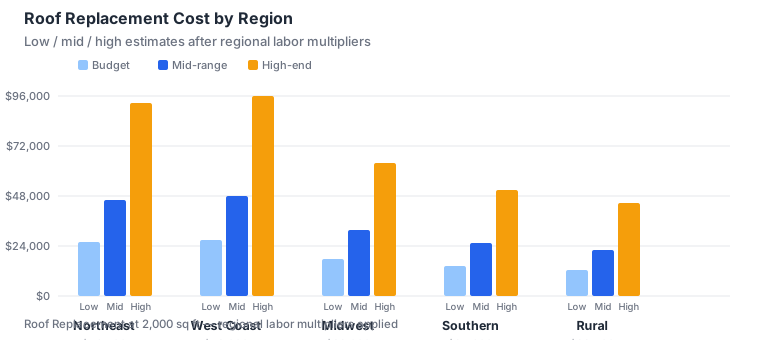
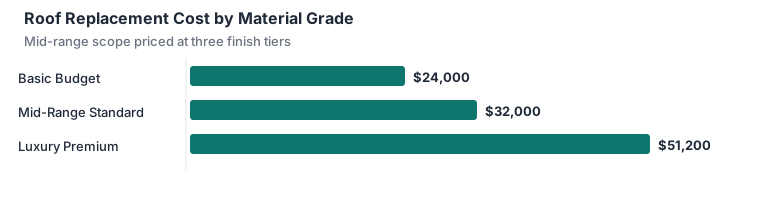
Both charts are rendered from the same price engine behind our roof replacement calculator.
Roof Replacement Cost Guide — 2026 US Price Breakdown
Average Roof Replacement Costs by Material
Roof replacement is one of the most expensive home exterior projects, but also one of the highest-ROI improvements. Costs range from $9 per sq ft for basic asphalt shingles to $32 per sq ft for luxury metal or slate systems.
- 3-tab asphalt shingles: $9–$11/sq ft — 15–20 year lifespan, most budget-friendly
- Architectural asphalt shingles: $14–$19/sq ft — 25—30 year lifespan, most popular choice
- Metal roofing: $21–$27/sq ft — 40–70 year lifespan, excellent durability
- Slate roofing: $30–$32/sq ft — 75–100+ year lifespan, premium historic look
A typical 2,000 sq ft home has approximately 2,200 sq ft of roof surface. At $16/sq ft (architectural shingle), total cost = $35,200.
Factors That Increase Roof Replacement Cost
- Steep roof pitch: +15–25% labor surcharge for safety equipment
- Multiple roof planes/layers: +10–20% labor time
- Removal of multiple existing layers: +$1,000–$3,000 disposal cost
- Skylight replacement: $500–$1,500 each
- Chimney flashing/repointing: $500–$2,000
- Permit fees: 4% of base project cost (average $600–$1,200)
ROI on Roof Replacement
According to Remodeling Magazine's 2024 Cost vs. Value Report, a mid-range roof replacement recovers approximately 60% of its cost at resale. A new roof is also a strong selling point — homes with older roofs often sit on the market longer or sell below asking price.
Metal roofs recover slightly less (50–55%) but last 2–3× longer than asphalt, making them a better long-term value in high-snow or wildfire-prone areas.
Timeline: How Long Does Roof Replacement Take?
Roof replacement is one of the fastest major home improvement projects.
- Asphalt shingle roof (average home): 1–2 days
- Metal roof: 2–4 days
- Slate/tile roof: 3–7 days
- Note: Weather delays are common — always pad your timeline by 1–2 weeks
When to Repair vs. Replace
- REPAIR if: damage is isolated to <30% of roof, roof is <15 years old, only a few shingles missing
- REPLACE if: roof is 20+ years old, damage covers >30%, repeated leaks, multiple layers of old shingles
- Partial reroof: not recommended — new and old shingles weather differently, creating a patchy appearance
Hidden Roof Replacement Costs
- Rotted decking (plywood): $70–$120 per sheet replaced
- Gutter replacement (often bundled): $10–$20/linear foot
- Attic ventilation system: $300–$800 (prevents ice dams and mold)
- Ice & water shield in valleys: $2–$4/sq ft (prevents leak repairs later)
- Permit + inspection fees: $200–$800
Material Comparison: Which Roof is Right for You?
Choosing the right roofing material depends on your climate, budget, and how long you plan to stay in the home.
- Asphalt shingles: lowest upfront cost, 15–30 year lifespan, widely available contractors
- Metal: higher upfront, 40–70 year lifespan, excellent for snow/wildfire zones, energy efficient
- Slate: highest upfront, 75–100+ year lifespan, only for historic/high-end homes with proper structural support
Roof Replacement Step by Step
A roof is replaced top-down with discipline. A professional starts with a full inspection and measurements, then pulls the permit. Tear-off removes the old layers down to the deck, which is the moment to find rotten plywood or soft spots that must be replaced. A quality job then lays synthetic underlayment and, in cold climates or at eaves, an ice-and-water shield, followed by proper flashing at chimneys, valleys, and walls. The new field — architectural shingles, metal panels, or tile — goes on with correct nailing, then ridge vents and caps. Magnetic cleanup of nails and a final inspection close it out. Weather windows matter; rushing a job onto a wet deck invites leaks.
Material Comparison: Which Roof Is Right
Asphalt three-tab is the economy option with a shorter life; architectural asphalt roughly doubles the lifespan and looks richer for modest cost and is the default for most homes. Standing-seam metal lasts decades longer, sheds snow, and suits both modern and rustic homes but costs several times more upfront. Concrete or clay tile fits Spanish and Mediterranean styles and lasts very long in the right climate but needs a reinforced frame. Slate is the century material at a premium price and weight. Match the material to your climate, frame capacity, and how long you intend to stay.
When to Repair Versus Replace
Repair makes sense for isolated, young roofs with a single failed flashing or a few blown-off shingles. Replace when the roof is past its material lifespan, shows widespread curling or missing granules, has multiple leaks, or already carries two layers that code forbids adding to. A roof with sagging decking or pervasive staining is past patchwork. Replacing before a major failure also protects the attic, insulation, and everything below from water that a leak eventually reaches.
Underlayment, Ventilation, and Flashing
The visible surface gets the attention, but the hidden layers decide how long a roof lasts. Synthetic underlayment resists tearing and water better than felt. Proper attic ventilation — balanced intake and ridge exhaust — prevents heat and moisture buildup that bakes shingles and rots decking; it is as important as the shingles. Flashing at every penetration and valley is where most leaks start, so cutting corners there is false economy. A meticulous installer earns the premium at these details, not at the color choice.
Storm, Wind, and Impact Ratings
If you are in a hurricane, hail, or high-wind region, ratings matter. Impact-resistant (Class 4) shingles and panels survive hail far better and can lower insurance premiums. Wind ratings should match local code, with reinforced nailing patterns in coastal zones. Algae-resistant granules help in humid climates. For fire-exposed areas, Class A assemblies and ember-resistant vents matter. Choose the rating your risk profile actually requires rather than the cheapest compliant option.
A Realistic Roof Budget by Material
Cost tracks material and roof complexity. Architectural asphalt is the baseline; adding a second layer removal, steep pitches, multiple valleys, or skylights raises labor. Metal and tile run several times the asphalt figure, and slate or detailed tile with frame reinforcement sits at the top. Get the quote broken down by tear-off, deck repair, underlayment, flashing, and the field, and confirm whether old-layer removal and disposal are included — they are common surprise charges.
Common Roof Replacement Mistakes
The costly errors are usually about who and what is underneath. Hiring an uninsured or unpermitted crew leaves you liable for falls and leaks alike. Ignoring attic ventilation bakes the new roof from below. Reusing old flashing or skimping on underlayment invites early leaks. Nailing too high or too few voids warranties. And simply layering a new roof over two old ones hides rot and violates code. Verify insurance, permits, and the written nailing and flashing spec before you pay.
Permits and Inspection for Roofs
Most municipalities require a roofing permit, and some require an inspection of the deck after tear-off and before the new field is laid — exactly when hidden rot should be caught. Structural changes for heavy tile or slate need separate approval. A contractor who pulls the permit and welcomes the inspection is protecting your investment; one who suggests skipping it is a red flag.
Roof Replacement Checklist
- Get a full inspection and a written, itemized quote.
- Verify the contractor's license, insurance, and local references.
- Pull the permit; allow deck inspection after tear-off.
- Confirm underlayment, ice-and-water shield, and flashing specs.
- Match material and wind/impact rating to your climate.
- Plan for old-layer removal and disposal in the price.
- Require magnetic nail cleanup and a final walkthrough.